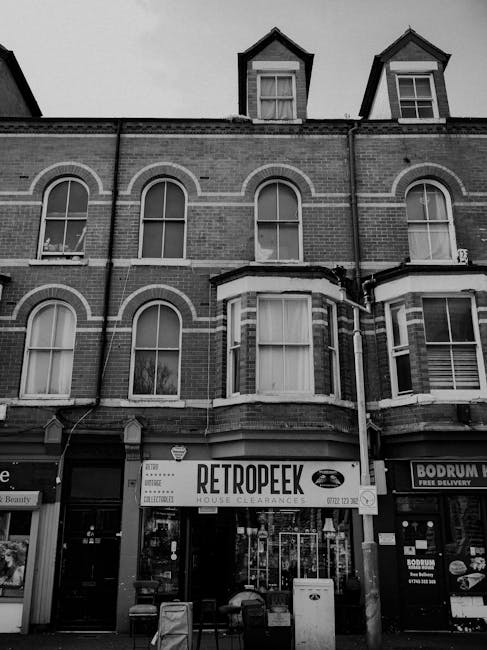
Finsbury Park house clearance and rubbish removal North London
If you are staring at a crowded flat, a full loft, or a house that needs clearing after a move, refurbishment, or bereavement, you are probably not looking for a grand lecture. You want the space sorted, the clutter gone, and the job handled properly. That is exactly where Finsbury Park house clearance and rubbish removal North London comes in. Done well, it is quick, careful, and far less stressful than trying to wrestle everything out yourself on a busy North London street. Done badly, it can turn into a messy weekend, a blocked hallway, and a lot of frustration. This guide explains how it works, what to expect, who it helps, and how to make smart decisions without overcomplicating things.
Whether you are clearing a single room or a whole property, a good plan makes all the difference. Let's get into the practical stuff.
Table of Contents
- Why Finsbury Park house clearance and rubbish removal North London Matters
- How Finsbury Park house clearance and rubbish removal North London Works
- Key Benefits and Practical Advantages
- Who This Is For and When It Makes Sense
- Step-by-Step Guidance
- Expert Tips for Better Results
- Common Mistakes to Avoid
- Tools, Resources and Recommendations
- Law, Compliance, Standards, or Best Practice
- Options, Methods, or Comparison Table
- Case Study or Real-World Example
- Practical Checklist
- Conclusion
- Frequently Asked Questions
Why Finsbury Park house clearance and rubbish removal North London Matters
Finsbury Park sits in a part of North London where homes, flats, terraces, conversions, and shared buildings often have limited storage and awkward access. That changes the whole picture. A pile of unwanted items in a roomy driveway in the suburbs is one thing; carrying sofa sections down a narrow stairwell on a Friday evening near a busy road is another. The local context matters because clearance is not just about lifting things. It is about timing, access, parking, sorting, discretion, and leaving the place tidy.
In our experience, people usually reach for house clearance services when life is already moving quickly. Maybe you are between tenants. Maybe a relative has moved into care and the property now needs attention. Maybe a loft, garage, or spare room has quietly turned into storage for things you have been meaning to deal with "next month" for the past two years. It happens. More often than people admit, actually.
The real value of a proper clearance service is that it turns a heavy, unpredictable task into a structured one. That matters if you need the property ready for sale, rental, decorating, builders, or simply usable again. It also matters for peace of mind. A cleared home feels different the moment the clutter starts leaving. You can hear the room again. Sounds odd, but you will know what I mean if you have ever walked into a stripped-back space after months of chaos.
For many households, rubbish removal is part of a wider clean-out rather than a one-off bin run. That is why services like house clearance, rubbish removal, and waste clearance often overlap in practice. The best option depends on the amount, the type of items, and how quickly you need the space back.
How Finsbury Park house clearance and rubbish removal North London Works
Most clearances follow a straightforward pattern, even if the job itself looks complicated at first glance. The process usually starts with an enquiry or assessment. You describe what needs removing, where it is, and whether there are any access issues such as stairs, controlled parking, or limited loading space. Photos can help, and in some cases a brief visit is the easiest way to judge the volume.
Once the scope is clear, the team plans the load, labour, and timing. For a straightforward flat clearance, that might mean a single visit. For a fuller property clear-out, it may be staged room by room. Furniture, white goods, general rubbish, bagged waste, bulky items, and mixed contents are often sorted as they are removed. That sorting step is easy to miss from the outside, but it is one of the things that separates a tidy professional clearance from a rushed clear-out.
A good service should also consider reuse and recycling where appropriate. Not everything needs to go straight to disposal. Some items can be separated for reuse, resale, or material recovery depending on condition and category. That does not mean every old chair becomes a treasure, of course. Some things are simply ready to leave. Still, a sensible approach to sorting can reduce waste and improve outcomes.
For local homes with mixed contents, it is common to combine property clearance with related services such as furniture disposal, flat clearance, or even home clearance. If the job is mostly household waste, a broader waste removal approach may be the cleaner fit. The right service is the one that matches the actual pile in front of you, not the one that sounds neat on a webpage.
What usually happens on the day
On the day of the clearance, expect a quick walk-through, a confirmation of what is going and what is staying, and a practical plan for moving items out safely. The team then removes the agreed items, loads them, and sweeps up afterwards if that is part of the service. In a good job, you should not be left with stray debris, broken packaging, or mysterious screws rolling around under the radiator.
Depending on the property and access, the job may take less time than you expect. A small flat might be done in a couple of hours, while a heavily cluttered house will understandably need more time. Either way, the key is clear communication before the first item is lifted. A rushed start often causes headaches later. Nobody wants that.
Key Benefits and Practical Advantages
The obvious benefit is simple: the space is cleared. But the practical advantages go deeper than that. A properly managed clearance can reduce stress, save physical effort, and help you move on faster with whatever comes next.
- Time saved: no need to make repeated car trips or sort out multiple disposal runs.
- Safer handling: bulky furniture, awkward appliances, and mixed waste can be moved with less risk of injury.
- Less disruption: one organised clearance is easier to manage than a week of half-finished DIY sorting.
- Cleaner finish: professional removal usually leaves a better result than a hurried personal clear-out.
- Better for complex situations: probate, downsizing, tenancy changes, and pre-sale preparation are easier to manage with structure.
There is also the mental side. Clutter can weigh on people more than they expect. You might not notice it every day, but once the space opens up, the relief is often immediate. A spare room becomes useful again. The hallway stops feeling squeezed. And the property starts to look and feel like itself again.
Another practical upside is flexibility. For example, if you are clearing a property near Finsbury Park but also need support in surrounding neighbourhoods, it can help to work with a service that covers wider North London areas such as Stroud Green, Harringay, and Manor House. That local coverage matters more than people think, especially when parking or access is tricky and you do not want delays.
Who This Is For and When It Makes Sense
Not every clutter problem needs the same solution. Sometimes a few bagged items and a sofa are enough for a quick collection. Other times, a full property clearance is the sensible route. Knowing the difference saves time and money.
Households and homeowners often need clearance when moving, renovating, decluttering, or dealing with a bereavement. The task can feel overwhelming, especially if items have built up over years. House clearance is often the right choice when there are multiple rooms involved, larger furniture pieces, or mixed contents that cannot be handled through ordinary bin collections.
Landlords and letting agents use clearance services after tenants move out, especially if the property is left with unwanted furniture, rubbish bags, or broken items. If the place needs to be turned around quickly for cleaning or repairs, speed matters. So does being careful with access, communal areas, and neighbours.
People downsizing often find this service useful because the emotional part of the move can be as demanding as the physical part. You may be deciding what to keep, gift, donate, store, or let go. That takes judgement. A proper clearance plan gives you some breathing room.
Families handling probate or estate clearance may also need support. These situations can be sensitive, and discretion matters. The work is not just about removing items; it is about handling belongings respectfully and making a complicated process feel less chaotic. There is no magic fix here, but the right approach helps a lot.
Businesses in the area sometimes need office or storage clearances too. If your project involves desks, chairs, filing units, stock, or archived waste, related services such as office clearance or business waste may be more appropriate than domestic removal alone.
And yes, sometimes people just need the garage back. Fair enough.
Step-by-Step Guidance
If you want the smoothest possible clearance, a little preparation goes a long way. Here is a practical approach that works well in real homes, not just on paper.
- Walk the property first. Make a rough list of what needs to go. Separate obvious keep items from obvious waste. If you are not sure about some things, set them aside for a second decision later.
- Take photos of the items and access points. Stairs, narrow hallways, basements, and parking restrictions all affect the job. A few honest photos save time and reduce surprises.
- Group similar items together. Furniture in one corner, bagged waste in another, electricals in a third. This makes the work more efficient and can help with sorting.
- Check for anything sensitive. Documents, keys, medication, sentimental pieces, and personal photos should be removed before the clearance starts. It sounds obvious, but people miss this when they are in a rush.
- Confirm what happens with different waste types. Ask how mixed rubbish, furniture, electrical items, and bulky loads are handled. It is better to ask now than wonder later.
- Make sure access is ready. Reserve space where possible, unlock gates, and make the route through the property clear. Small thing, big difference.
- Do a final walkthrough. Before the team leaves, check that the agreed items are gone and that nothing has been missed. A quick look now avoids awkward callbacks.
For larger jobs, this process can be split across days. That is often the smarter route if the property contains a mix of salvageable belongings and true waste. You do not need to solve the entire house in one dramatic burst of energy at 8 a.m. on a Saturday. Life is hard enough already.
Practical summary
Best results usually come from three things: clear instructions, realistic expectations, and a service matched to the actual volume and type of waste. If those three line up, the job tends to run smoothly.
Expert Tips for Better Results
Here are the small details that often make the biggest difference. They are the kind of things experienced teams think about straight away, even if customers do not always notice them at first.
Be exact about what stays. If you are only half-deciding on certain items, mark them clearly or move them into a separate area. "Maybe" items can slow everything down. It sounds trivial, but it is one of the easiest ways to avoid accidental removals.
Think in zones. A room-by-room approach often works better than trying to describe the whole property at once. For example, "bedroom furniture and boxed rubbish from the loft" is much easier to plan around than "everything upstairs and some bits downstairs."
Prioritise access early. In North London, parking and loading space can be the quiet troublemaker. If access is tight, tell the provider in advance. It helps with vehicle choice, crew size, and timing. Nobody likes trying to manoeuvre a bulky wardrobe through a crowded street with a bus rumbling past. Not glamorous, that.
Use the right related service. A sofa is not the same as a pile of mixed waste. A garden shed is not the same as a one-room declutter. Matching the service to the job improves efficiency and often the finish too. If you are dealing with outdoor clutter, garden clearance may be a better fit. If it is a garage full of old tools and broken boxes, garage clearance makes more sense.
Leave some breathing room. If the schedule is tight, allow time for unexpected sorting. You may discover paperwork, keepsakes, or items that need to be handled separately. That happens all the time.
Ask about clean-up. Some people assume sweeping up is included, others assume it is not. Clarify. A tidy finish is a small thing, but it changes how the whole job feels.
Common Mistakes to Avoid
Most clearance problems are avoidable. They usually come from underestimating volume, skipping the prep, or trying to do too much in one go. Here are the big ones.
- Underestimating how much there is: one spare room can secretly hold a small mountain of stuff. It is oddly impressive, in a messy sort of way.
- Mixing keep items with waste: if you do not separate them first, mistakes happen.
- Ignoring access issues: stairs, parking, and lift restrictions can change the whole plan.
- Forgetting fragile or personal items: always remove anything important before the clearance starts.
- Choosing the wrong service for the job: a small rubbish collection is not always the same as a full house clearance.
- Leaving everything to the last minute: rushed jobs tend to be more stressful and less efficient.
Another common issue is assuming every item has to be sorted emotionally before it can be cleared physically. Sometimes that is true. Sometimes you simply need the room back and a more practical decision is kinder to everyone involved. There is no prize for making the process harder than it needs to be.
Tools, Resources and Recommendations
You do not need much equipment for a clearance if you are using a professional team, but a few practical tools make the whole process smoother if you are preparing the property yourself.
- Marker pens and labels: useful for marking keep, remove, donate, or review piles.
- Strong bin bags: ideal for small mixed waste, clothing, soft items, and loose clutter.
- Gloves and sturdy shoes: basic but sensible for anyone sorting items before collection.
- Phone camera: handy for taking room photos, item lists, and before-and-after records.
- Tape or coloured stickers: helpful for marking items that should not be touched.
For related jobs, it can help to look at more focused services such as builders waste for renovation debris, sofa removal for bulky upholstery, or rubbish collection for smaller loads. The point is to match the job to the item, not force the item into the wrong box.
If you want to understand the company behind the service before booking, the about us page is usually the best place to start. And if you already know what you need, the contact us page is the obvious next step. Simple, really.
Law, Compliance, Standards, or Best Practice
House clearance and rubbish removal are practical services, but compliance still matters. In the UK, waste must be handled responsibly, and anyone arranging removal should be careful about how items are transferred, transported, and disposed of. You do not need to become a waste law expert overnight, but it does help to understand the basics.
A trustworthy service should be clear about what happens to the waste after collection, especially for mixed loads, electrical items, and anything that needs special handling. General best practice also means avoiding fly-tipping, using suitable vehicles, and sorting loads properly where possible. If something feels vague or rushed, ask more questions. That is not being difficult. That is being sensible.
For customers, one practical rule stands out: never assume waste has been handled correctly just because it has left the property. Ask for clarity about the removal process and keep basic records where useful, especially for larger clear-outs, business waste, or tenancy-related work. That little bit of diligence can save trouble later.
On the home side, it is also wise to separate hazardous, confidential, or sentimental items before any clearance begins. Old paint, chemicals, sharp objects, and private paperwork should not be left to chance. This is one of those areas where calm preparation pays off. Every time.
Options, Methods, or Comparison Table
People often compare a few different ways of dealing with unwanted items. The right option depends on volume, urgency, access, and whether the property is residential or commercial. Here is a simple comparison that helps frame the choice.
| Option | Best for | Strengths | Limitations |
|---|---|---|---|
| DIY clearance | Very small loads or a few manageable items | Low direct cost if you already have transport and time | Slow, physically demanding, and easy to underestimate |
| Rubbish collection | Loose bags, small bulky items, quick removals | Fast and convenient for lighter jobs | May not suit full-property clear-outs or mixed contents |
| House clearance | Rooms, flats, or full homes with mixed items | Better for larger, more complex jobs | Needs planning and a clear scope |
| Specialist item removal | Sofas, garden waste, builders waste, or office items | Efficient for focused loads | Not ideal if you have a whole-house job with many item types |
In practice, many people end up using a blend of methods. For example, a flat might need a sofa removed, some bagged rubbish collected, and a final pass for general waste. That is completely normal. The smartest choice is usually the one that avoids overpaying for a bigger service than you need, while still being realistic about the job in front of you.
Case Study or Real-World Example
Here is a realistic example based on the kind of work that comes up regularly in North London. A two-bedroom flat near Finsbury Park needs clearing after a long tenancy. The property contains a mix of old furniture, boxed household items, broken bits from the hallway cupboard, and a few bulky pieces that will not fit in standard bins. Access is via a narrow staircase, and parking outside is tight in the afternoon.
The sensible approach is to group items before the team arrives. Keep items are moved into one room, paperwork is separated, and anything fragile is protected or removed. The clearance itself is then handled in stages: furniture first, bagged waste second, awkward items last. That order keeps the route through the flat manageable and reduces the chance of damage.
By the end of the visit, the space is ready for cleaning and minor repairs. Not glamorous, but effective. The tenant move-out process becomes less stressful, and the property is easier to hand back into use. That is the real win. No drama, no mystery, just a clear room and a clean slate.
Situations like this are common around busy North London streets, especially in areas close to transport links and shared housing. If the job extends beyond Finsbury Park, nearby areas such as Holloway, Archway, and Tufnell Park often have the same practical challenges: access, timing, and making the most of a limited window.
Practical Checklist
Use this checklist before booking or starting a clearance. It keeps the process calm and saves awkward surprises.
- Have you separated keep items from remove items?
- Are fragile, sentimental, and confidential items already removed?
- Do you know whether the job is a full clearance or just rubbish removal?
- Have you photographed the items and access route?
- Are stairs, parking, or lift restrictions flagged clearly?
- Do you know if furniture, appliances, and mixed waste are included?
- Have you checked whether a garden, garage, loft, or flat needs special handling?
- Is the property ready for the team to work without unnecessary obstacles?
- Have you confirmed what should happen to anything uncertain or valuable?
- Do you know what the space needs to be ready for afterwards, such as cleaning, decorating, or handover?
Quick tip: if you can answer those ten points confidently, the rest usually becomes much easier. Honestly, that alone solves half the stress.
Conclusion
Finsbury Park house clearance and rubbish removal North London is about more than lifting unwanted items out of a property. It is about restoring space, reducing stress, and handling a job in a way that fits local conditions, property layouts, and real-life schedules. Whether you are clearing a flat, a family home, a garage, or a mixed load of bulky rubbish, the best results come from clear planning, the right service match, and a calm, practical approach.
If you remember one thing, let it be this: good clearance is not just removal, it is relief. And sometimes that relief arrives the moment the first awkward item goes out the door.
Get a free quote today and see how much you can save.
When the clutter starts to go, the whole place can breathe again. That feeling is worth doing properly.
Frequently Asked Questions
What is included in Finsbury Park house clearance and rubbish removal North London?
It usually includes the removal of unwanted household items such as furniture, bagged waste, mixed clutter, appliances, and bulky items, depending on the job scope. Some services also cover cleaning up loose debris afterwards. Always confirm the exact items in advance so there is no confusion on the day.
How is house clearance different from rubbish removal?
House clearance is generally broader and more suitable for clearing multiple rooms, whole flats, or full properties. Rubbish removal is often better for smaller loads, a few bulky items, or mixed waste that does not amount to a full clearance. In practice, the two can overlap quite a lot, but the scale is the key difference.
Do I need to sort everything before the clearance starts?
No, not necessarily. But you should separate anything you want to keep, along with valuables, documents, and sentimental items. The more clearly you mark or group things, the smoother the clearance will be. A little prep goes a long way, even if it is just one corner of the room.
Can you clear a flat with narrow stairs or limited access?
Yes, but access should be explained clearly before booking. Narrow staircases, top-floor flats, parking restrictions, and shared entrances can all affect the plan. Good communication helps the team arrive with the right expectations and equipment.
What happens to the items after collection?
That depends on the service and the condition of the items. Some items may be suitable for reuse, while others will need to be disposed of or sent for appropriate processing. A reputable service should be able to explain its general approach clearly, without vague answers.
Is house clearance suitable after bereavement or probate?
Yes, it is often used for probate and estate situations. These jobs can be sensitive, so discretion and care matter. It usually helps to set aside documents, keepsakes, and anything that needs family agreement before the clearance begins.
How long does a clearance usually take?
It depends on the size of the property, the amount of furniture, access conditions, and how much sorting is needed. A small flat may take only a few hours, while a larger or heavily cluttered property will take longer. Clear information beforehand helps set realistic expectations.
Can I combine furniture disposal with general rubbish removal?
Yes, that is very common. Many clearances include a mix of furniture, white goods, bagged waste, and loose household items. It is usually more efficient to handle the whole load together if the service is set up for it.
What if I only need to clear one room or a garage?
That is fine. You do not always need a full house clearance. A targeted service such as garage clearance, sofa removal, or furniture disposal may be more suitable depending on what is being removed. The best choice is the one that fits the actual job, not the biggest-sounding option.
How do I know if I am choosing the right service?
Start with three questions: how much needs removing, what type of items are involved, and how quickly you need the space cleared. If it is a whole property or a mixed contents job, house clearance is likely the better fit. If it is only a few items, rubbish collection or item-specific removal may be enough.
What should I do before the team arrives?
Remove keep items, separate anything sensitive, clear a route where possible, and make sure access details are accurate. Photos can help too. A small amount of preparation makes the work faster and reduces the chance of missed items or misunderstandings.
Is it okay to ask questions about disposal and best practice?
Absolutely. In fact, you should. Good providers expect those questions and should answer them clearly. It is your property and your waste, so it is reasonable to want confidence in how the job will be handled.